IMOU Cameras
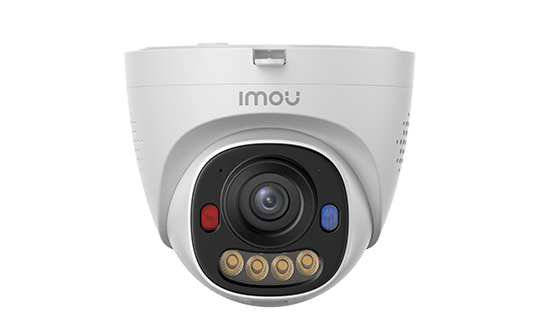
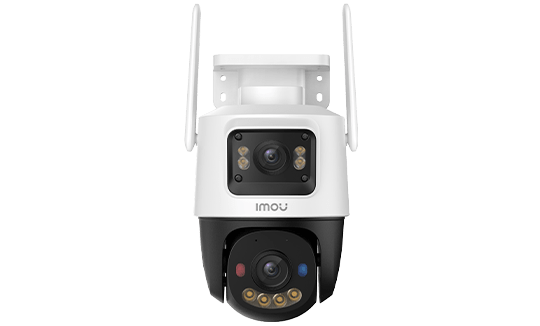
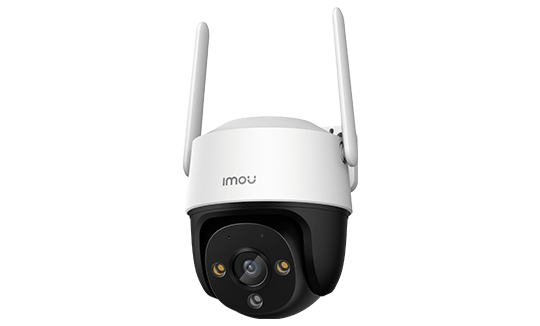
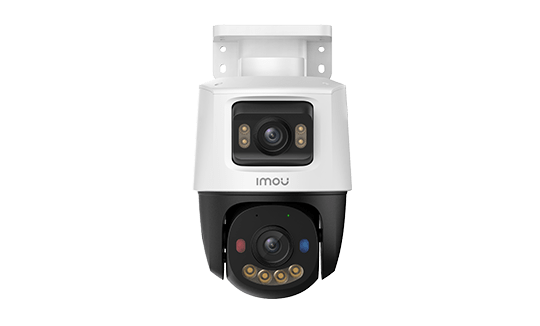
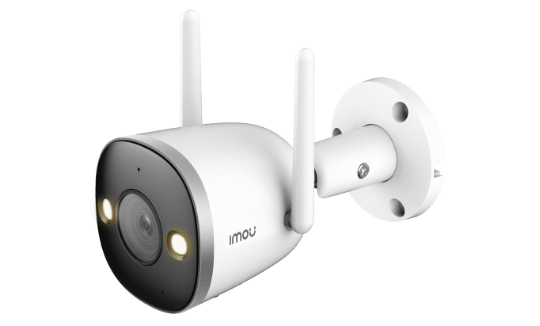
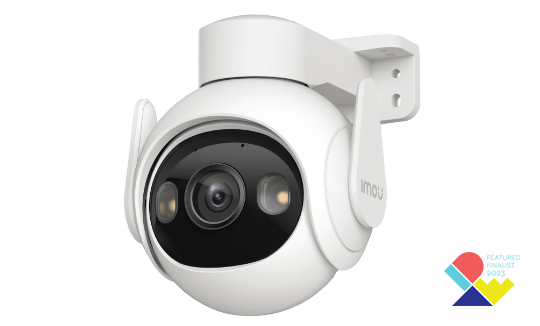
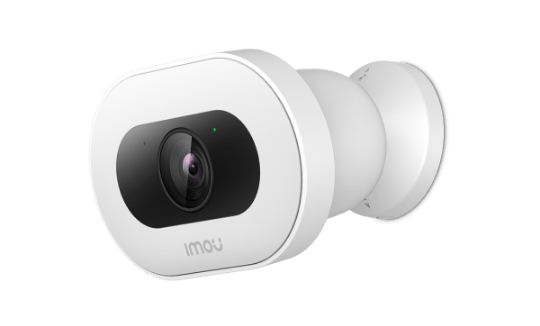
IMOU OUTDOOR CAMERA
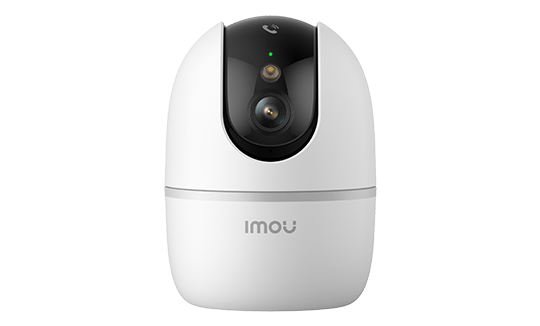
IMOU INDOOR CAMERA
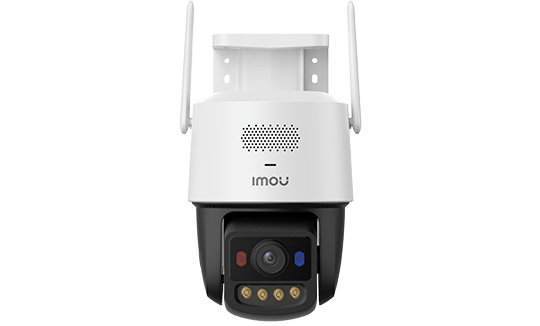
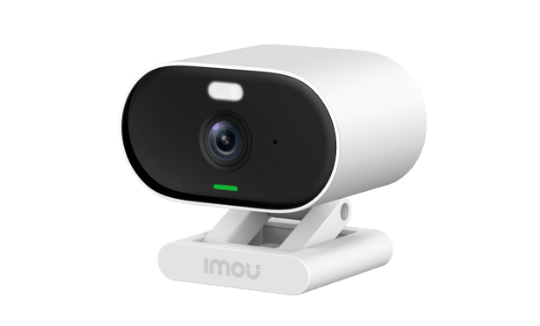
Imou Camera Buying Guide 2026: How to Choose the Right Camera
The Imou range spans more than 40 different models across 7 Imou camera families. Ranger, Bullet, Cell, Cruiser, PS, NVR… faced with this variety, choosing can feel daunting. This guide helps you make the right decision by working through 5 straightforward questions — no unnecessary technical jargon.
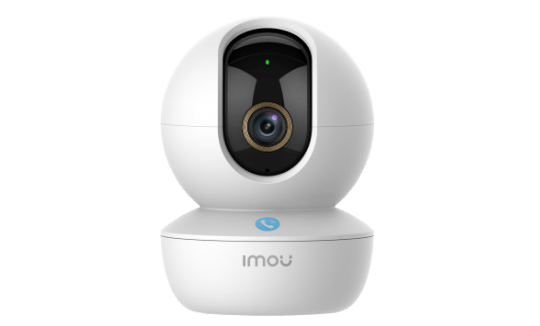
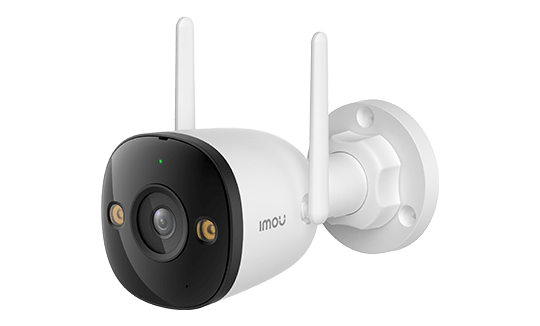
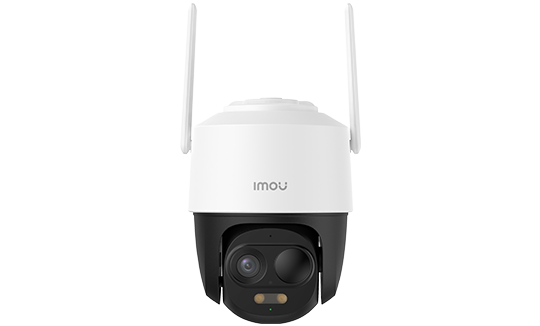
Question 1: Where Do You Want to Install the Camera?
Inside the Home
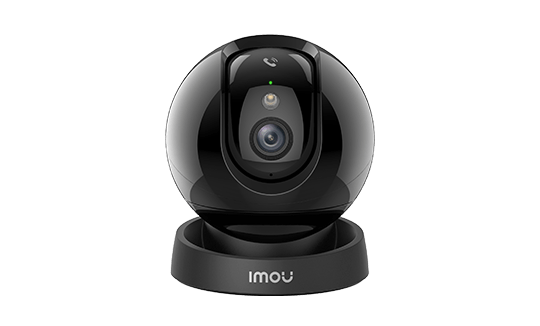
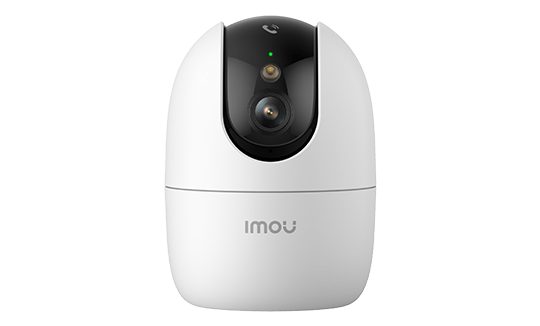
Imou’s indoor Wi-Fi cameras (Ranger, Rex, AOV, A1, Cue series) are built for monitoring living rooms, hallways, children’s bedrooms and storage rooms. They are not weatherproof and cannot handle outdoor conditions. In return, they typically offer full pan/tilt rotation (355° horizontal, 90° vertical), which means a single camera can cover an entire room with no blind spots.
Key strengths of Imou indoor cameras:
- Resolution from 3 MP to 4K depending on the model
- Motorised pan/tilt on most models (automatic person tracking)
- Colour night vision up to 10 m
- Two-way audio (speak and listen)
- Competitive pricing from €25
Outside
For monitoring a garden, entrance, driveway or building facade, you need a camera rated at least IP67 (protected against dust and high-pressure water jets). In the Imou range, these are the Bullet and Cruiser series for Wi-Fi, and the PS series for PoE.
Essential outdoor features:
- IP67 or IP66 weatherproof rating
- Long-range IR illumination (up to 60 m on the Titan Pro)
- Colour night vision (Starlight or Fullcolor)
- AI motion detection (reduces false alerts from wind and wildlife)
Question 2: Is a Mains Socket Available?
Yes — Wired Cameras (Wi-Fi, PoE)
This is the most common scenario. The camera plugs into a 230V socket and connects to your Wi-Fi. It runs continuously with no interruptions and supports constant recording. This is the recommended solution for the majority of domestic installations.
No — Battery Cameras (Wire-Free)
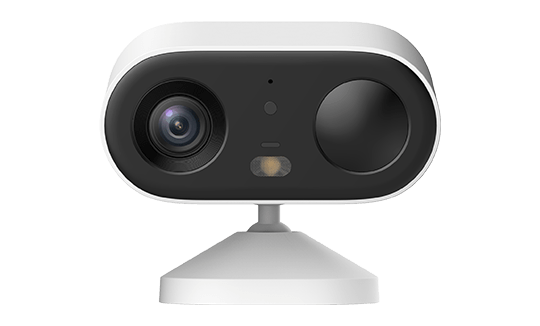
The Cell and AOV series run on rechargeable batteries. Installation is completely cable-free, but battery life is finite. In active use (frequent detections), expect 2–4 weeks depending on the model and the number of daily events. Some models (Cell 3C, Cell 3C All-in-One) include an integrated solar panel for near-unlimited runtime in adequate sunlight.
When to choose a battery camera:
- Gate, letterbox area, garden shed with no mains socket
- Holiday rental (quick, removable installation)
- Construction site or temporary location
- Supplementary coverage in an area that is difficult to cable
Professional Installation — PoE
PoE (Power over Ethernet) cameras receive both power and video over a single RJ45 cable. They are more stable than Wi-Fi, do not compete for wireless bandwidth, and support long cable runs (up to 100 m). They require a PoE switch or a compatible Imou NVR. This is the preferred solution for shops, warehouses and multi-camera installations.
Question 3: Is Wi-Fi Available on Site?
Yes — 2.4 GHz or 5 GHz Wi-Fi
Most Imou cameras operate on 2.4 GHz Wi-Fi. This frequency offers greater range than 5 GHz but lower throughput. For high-resolution cameras (4K) or congested environments (many connected devices), look for models with 5 GHz Wi-Fi compatibility (certain Pro series and Cruiser 2 variants).
No — 4G Cameras with a SIM Card
For monitoring a construction site, farmland, a campsite or any site without a fixed network, Imou 4G cameras (Cruiser 4G, Titan Pro, DK3, DK7, Cell PT 4G, Knight) include a 4G modem and accept a standard nano-SIM. A data plan of 5–10 GB/month is sufficient for most detection-only use cases (live viewing consumes more data).
Question 4: What Resolution Do You Need?
| Resolution | Pixels | Recommended Use | Indicative Price |
|---|---|---|---|
| 3 MP | 2304×1296 | Basic monitoring, small room | from €25 |
| 4 MP | 2560×1440 (2K) | Good quality/price balance, garden, entrance | from €35 |
| 5 MP | 3072×1728 | Precise surveillance, number plate reading | from €40 |
| 4K (8 MP) | 3840×2160 | Large areas, maximum detail, professional use | from €80 |
Tip: beyond 5 MP, the visible difference on a standard smartphone screen is minimal. 4K adds most value for digital zoom in post-review — cropping in on a number plate or identifying a face from footage.
Question 5: What Storage System Do You Need?
microSD Card (Local Storage)
Almost every Imou camera accepts a microSD card (up to 256 GB depending on the model). This is the most cost-effective storage method: continuous or event-triggered recording with no monthly subscription. A 128 GB card typically holds between 7 and 15 days of footage depending on resolution and activity level.
Imou Cloud
The Imou cloud service (via the Imou Life app) offers 7-day or 30-day footage history plans. It works alongside the SD card as off-site backup. Cloud storage is particularly useful in the event of camera theft — the footage is already saved remotely. Entry-level plans start at around €3/month per camera.
NVR (Network Video Recorder)
For multi-camera PoE installations, an Imou NVR centralises recording onto an internal hard drive (HDD) with capacity up to 10 TB. This is the most durable solution for shops, residential blocks and large properties.
Summary Table — Which Family for Which Need?
| Profile | Recommended Family | Key Models |
|---|---|---|
| Indoor, tight budget | Indoor Wi-Fi | Cue 2E, Ranger 2C |
| Indoor, auto-tracking | Indoor Wi-Fi | Ranger 2 Pro, Rex VT Pro, AOV PT Pro |
| Fixed outdoor, garden | Outdoor Wi-Fi | Bullet 3, Bullet 2E |
| Outdoor PTZ, large area | Outdoor Wi-Fi | Cruiser 2, Cruiser Dual 2 |
| No mains, no fixed network | Wire-Free | Cell 3C All-in-One, Cell PT Lite |
| Remote site, no network (4G) | 4G | Cruiser 4G, Titan Pro, DK3 |
| Multi-camera professional | PoE + NVR | PS series + N110/N118 |
| Full smart home coverage | Indoor Wi-Fi + Outdoor Wi-Fi + NVR | Mix per zone |
Imou’s AI Features: What They Actually Deliver
Imou has progressively integrated artificial intelligence across its range. Here is what these features change in practice.
Person Detection (Human Detection)
The camera distinguishes a person from a swaying tree, a passing car or an animal. The result: fewer false alerts and meaningful notifications only when someone actually enters the monitored zone.
Vehicle Detection
Available on higher-end outdoor cameras. Useful for monitoring a driveway entrance, a private car park or a farmyard.
Baby and Pet Detection
On indoor models (Ranger 2 Pro, Rex VT Pro, AOV PT Pro in particular), the camera can detect baby crying through audio recognition or identify your pet by category.
Auto-Tracking
PTZ cameras with auto-tracking automatically follow a person or moving object within their field of view. Extremely useful in a corridor, stairwell or garage.
Customisable Detection Zones
In the Imou Life app, you define exactly which areas of the image should trigger detection. For example: ignore the public road visible at the back of the garden, only monitor the gate entrance.
The Imou Life App: What You Need to Know
All Imou cameras are managed through the Imou Life app, available free on iOS and Android. Key features include:
- Live streaming (HD or bandwidth-saver mode depending on connection)
- Playback of recordings (SD card or cloud)
- Alert and push notification configuration
- Shared household access for family members
- Amazon Alexa and Google Home compatibility (display on Echo Show, Nest Hub)
- NVR connection for multi-camera management
Do You Need a Subscription to Use an Imou Camera?
No — the core features are free with no subscription:
- Live streaming
- Local recording (with a microSD card)
- Basic detection notifications
- Two-way audio
An Imou Care subscription adds:
- 7-day or 30-day cloud storage
- Certain advanced AI features (baby detection, animal recognition)
- Access to footage even if the camera or SD card is stolen
Imou Warranty and Support
Imou is a subsidiary of Dahua Technology, one of the world’s two largest CCTV manufacturers. Products sold in Europe carry a 2-year warranty. Technical support is available via the official imou.com website and authorised distributors.
Note: Imou complies with GDPR requirements for products sold within the European Union. Data from cameras sold for the European market is processed on servers that meet EU regulatory requirements.
Key Takeaways
- For indoor use, the Ranger 2C ($30) offers pan/tilt 350°, auto-tracking, person and animal detection — best value for a first camera.
- Battery cameras (Cell and AOV series) install without cables or power outlets in under 10 minutes — ideal for gates, sheds and holiday homes.
- PoE cameras provide the most stable connection for multi-camera setups with continuous 24/7 recording on a NVR.
- No subscription is needed for core features: live view, SD card recording, motion alerts and two-way audio are all free.
- For sites with no Wi-Fi or power (construction sites, farms), Imou 4G cameras work with any nano-SIM card.
Frequently Asked Questions
Which Imou camera should I buy for under $50?
For indoor use, the Ranger 2C ($30) is the best value — 350° pan/tilt, auto-tracking, person and animal detection, SD card up to 256 GB. For outdoor, the Bullet 2E ($35) offers 5 MP resolution, IP67 weatherproofing and AI detection without any subscription.
Do Imou cameras require a subscription?
No. Core features are free: live view, local SD recording, detection notifications and two-way audio. The optional Imou Care cloud subscription (from ~$3/month per camera) adds cloud video history (7 or 30 days) and some advanced AI features like baby and pet recognition.
Are Imou cameras compatible with Home Assistant?
Imou PoE cameras (PS series — PS1C, PS3E, PS50) provide a stable RTSP stream and support ONVIF, making them directly compatible with Home Assistant and Frigate. Recent Wi-Fi models may have RTSP available in advanced settings, but compatibility varies by firmware version.
What is the difference between 3 MP and 4K on an Imou camera?
For day-to-day surveillance, the visual difference on a standard display between 3 MP (2304×1296) and 4K (3840×2160) is subtle. 4K adds value mainly for digital zoom in post-playback — identifying a face or reading a license plate on a recording. If storage space or Wi-Fi bandwidth is limited, 3–4 MP remains the best balance.