IMOU Cameras
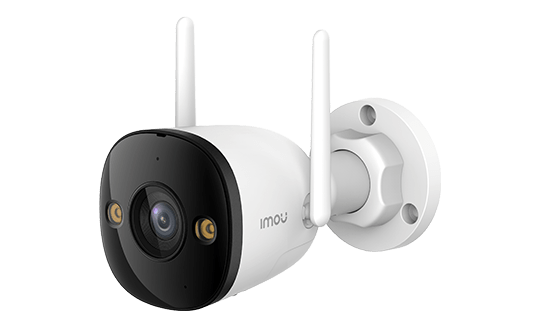
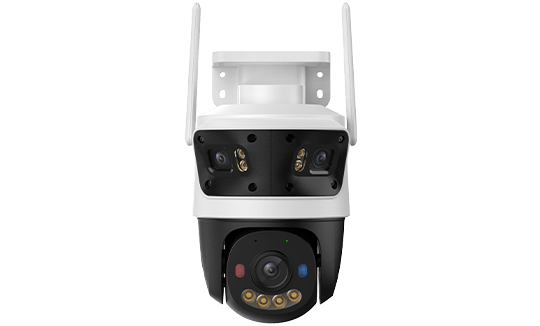
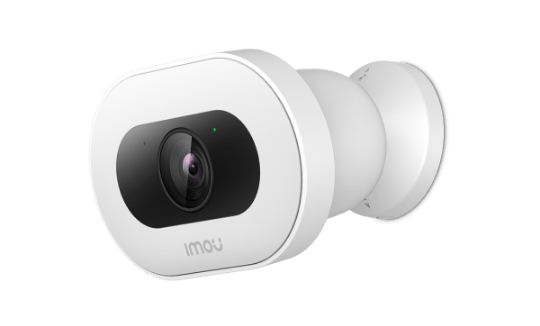
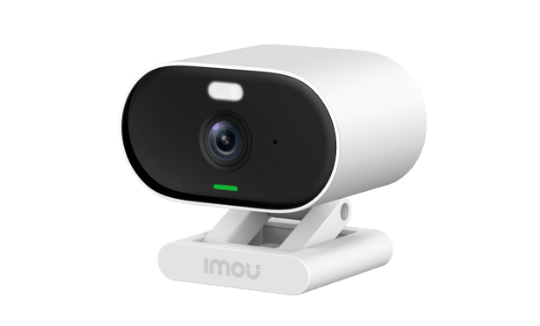
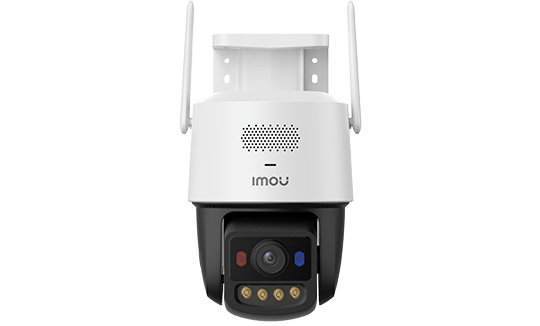
IMOU OUTDOOR CAMERA
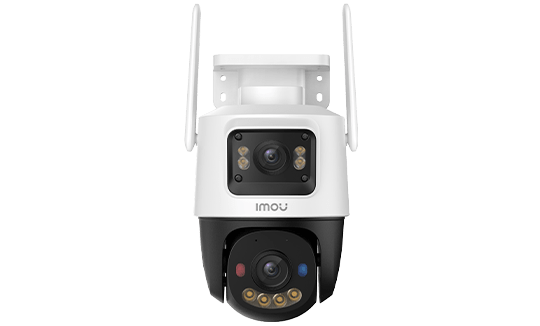
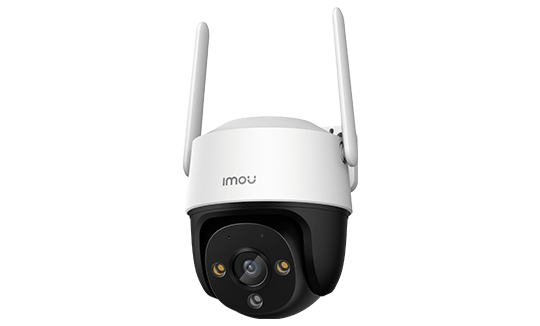
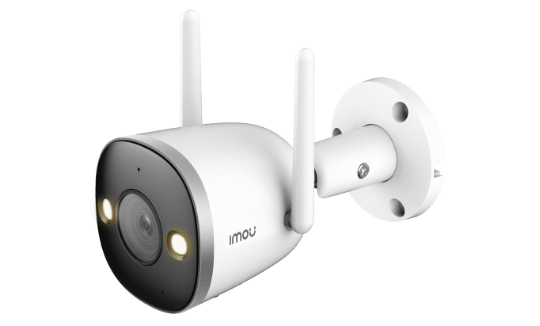
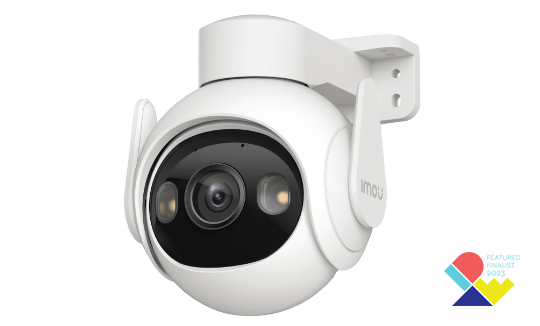
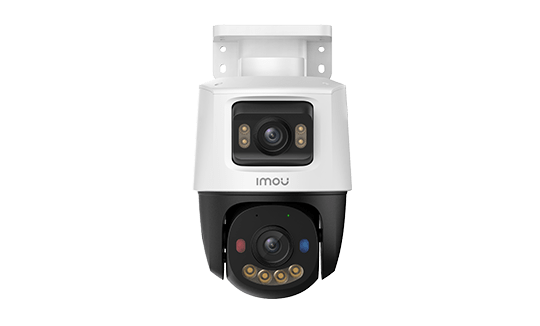
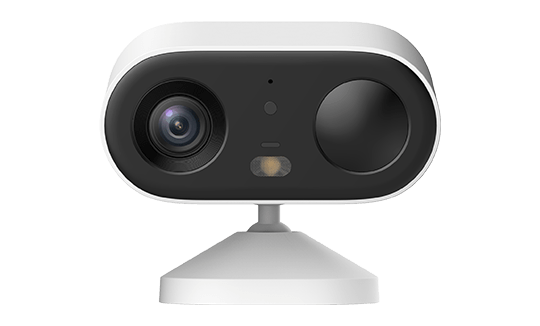
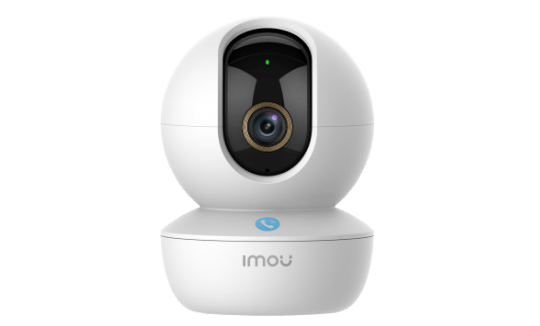
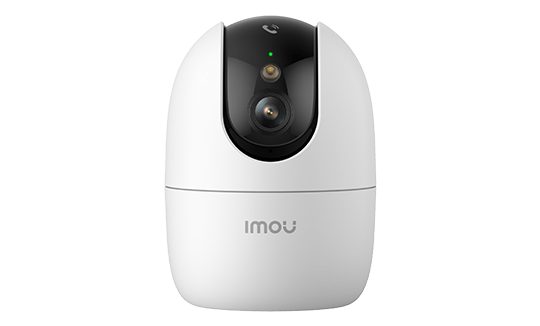
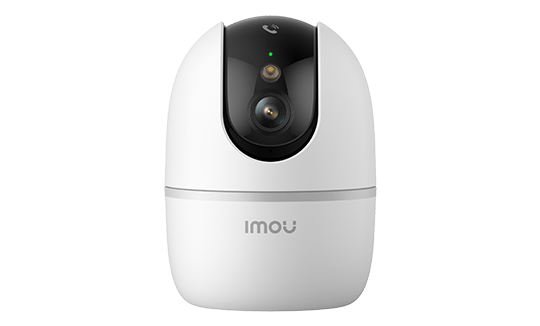
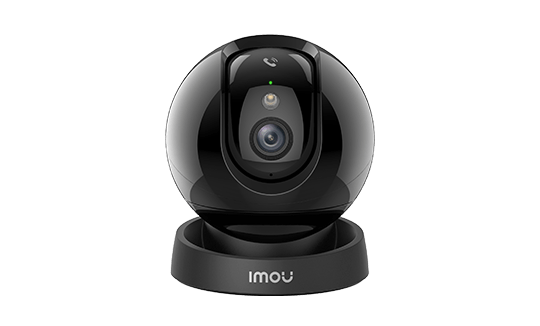
IMOU INDOOR CAMERA
Imou vs Reolink, Tapo, Hikvision, Arlo, Eufy — Full Comparison 2026
The home and small-business security camera market in the UK is dominated by a handful of brands: Imou, Reolink, TP-Link Tapo, Hikvision, Arlo, and Eufy. Each occupies a distinct position on price, connectivity options, data handling, and smart home integration.
This comparison is based on models available in the UK and US markets in 2026 and aims to give a straightforward picture of what each brand does well — and where it falls short.
Amazon UK listings, verified specifications, and hands-on reports from the security trade press inform the assessments below.
By Thomas Rivière, Product Analyst — Last updated: 29 September 2026
At-a-Glance Comparison Table
| Feature | Imou | Reolink | TP-Link Tapo | Hikvision | Arlo | Eufy |
|---|---|---|---|---|---|---|
| Entry price | ~£25 | ~£25 | ~£20 | ~£40 | ~£90 | ~£50 |
| Maximum image quality | 4K (8 MP) | 4K (8 MP) | 2K (4 MP) | 8K (32 MP, NVR) | 2K (4 MP) | 4K (8 MP) |
| Wi-Fi cameras | Yes | Yes | Yes | Yes | Yes | Yes |
| PoE cameras | Yes | Yes | No | Yes | No | No |
| 4G / SIM | Yes | Yes | No | Yes (pro) | No | No |
| Wire-free battery | Yes | Yes | Yes | No | Yes | Yes |
| Mobile app | Imou Life — full-featured | Reolink — solid | Tapo — excellent | Hik-Connect — complex | Arlo — very complete | EufySecurity — good |
| Local SD storage | Yes, free | Yes, free | Yes, free | Yes, free | No (subscription required) | Yes via HomeBase |
| Free cloud storage | 3 days (limited) | No | 3 days (1 camera) | No | No | No |
| AI detection without subscription | Yes | Yes | Yes | Yes (firmware) | No (paid tier) | Yes |
| Alexa / Google Home | Yes / Yes | Yes / Yes | Yes / Yes | Partial | Yes / Yes | Yes / Yes |
| Apple HomeKit | No (Homebridge) | No (Homebridge) | Yes (Matter) | No | Yes | Yes |
| UK/EU warranty | 2 years | 2 years | 2 years | 2 years | 2 years | 2 years |
| UK aftersales support | Amazon UK + distributors | Amazon UK + official site | TP-Link UK | Trade resellers | Arlo UK | Amazon UK + Anker UK |
Imou vs Reolink: The Closest Contest
Imou and Reolink are the most directly comparable brands on the market. They share virtually identical price ranges, the same connectivity options (Wi-Fi, PoE, 4G, battery), and the same target buyers — homeowners and small businesses.
The differences are real but require some nuance.
Where Reolink Has the Edge
- Slightly lower prices on entry-level PoE models. A Reolink 4K PoE camera typically undercuts an equivalent Imou by £5–£10 on Amazon UK.
- More varied NVR range: Reolink offers hybrid Wi-Fi + PoE recorders (RLN8-410, RLN36) that Imou does not match.
- Local web interface: most Reolink cameras expose a browser-accessible interface on the local network without needing the app or an internet connection. Imou has removed this on recent models.
- RTSP accessibility: Reolink’s RTSP streams are documented and enabled by default on almost all models, which matters for Home Assistant and Blue Iris users.
Where Imou Has the Edge
- Imou Life app quality: notifications are faster, the interface is more polished, and family sharing with per-member permission levels is better implemented than Reolink’s equivalent.
- Combined battery + solar + 4G: the AOV PT 4K packs all three into one device. Reolink has no direct equivalent at this level of integration.
- Design: Imou’s indoor cameras (Ranger, Rex, Cue series) have a more considered aesthetic that sits better in a living room or kitchen. Reolink’s indoor range is functional but visually utilitarian.
- In-app automations: Imou Life’s scene builder lets you chain detection events to siren activation, spotlight triggers, or SD card recording without any third-party hub.
Verdict: Imou vs Reolink
For a wired PoE installation with a technical user who wants local web access and default RTSP, Reolink has an argument.
For a Wi-Fi or battery installation where the app experience and ecosystem polish matter more, Imou is the stronger choice. Both brands offer good value in the £30–£150 range and both carry solid Amazon UK review scores.
Imou vs TP-Link Tapo: Budget Simplicity vs Breadth
Tapo is TP-Link’s dedicated smart home brand and the default recommendation for buyers who want the simplest possible setup at the lowest possible price.
Its Wi-Fi camera range is extensive and the Tapo app consistently receives praise for being the most approachable of any brand in this category.
Where Tapo Excels
- Aggressive pricing: the Tapo C200 (1080p pan/tilt indoor) sells for around £20. The C520WS (2K outdoor) sits around £35. Nothing else at these price points comes close.
- App experience: widely regarded as the most intuitive camera app for non-technical users. Setup is fast and the interface is clean.
- Matter and HomeKit support: several recent Tapo models support Matter natively, meaning they work with Apple HomeKit and Google Home without any bridge or workaround. This is a genuine advantage Imou cannot currently match.
- TP-Link ecosystem: good integration with TP-Link routers, Kasa smart plugs, and Deco mesh systems for users already in that ecosystem.
Where Tapo Falls Short Compared to Imou
- No PoE cameras: Tapo is entirely Wi-Fi. Anyone needing wired cameras for a shop, warehouse, or multi-camera professional setup must look elsewhere.
- No 4G models: remote sites with no broadband or Wi-Fi cannot be served by any current Tapo product.
- Resolution ceiling at 2K: the majority of Tapo cameras top out at 4 MP (2K). Imou offers genuine 4K (8 MP) on several affordable models.
- Limited battery range: only two or three battery-powered models, with no solar-plus-4G combination available.
Verdict: Imou vs Tapo
For a flat or small house where every camera will be Wi-Fi and the budget is tight, Tapo is very hard to beat — particularly if HomeKit is a priority.
The moment a PoE installation, a 4G remote camera, or a high-autonomy battery model enters the picture, Imou’s greater breadth makes it the more practical choice.
Imou vs Hikvision: Consumer vs Professional
Hikvision is the global market leader in professional CCTV and holds a commanding position in the trade and integrator channels.
Its consumer-facing presence is deliberately limited — the brand is primarily aimed at security installers, systems integrators, and corporate customers with dedicated procurement teams.
What Hikvision Does Better
- Image quality: Hikvision’s professional PoE and NVR ranges deliver superior detail, low-light sensitivity, and colour accuracy. The sensors and optics used in their commercial camera lines are a genuine step above the consumer tier.
- Range depth: hundreds of SKUs, IP68-rated housings, IK10 anti-vandal ratings, thermal cameras, multi-channel recorders handling up to 256 streams.
- Resolution ceiling: up to 32 MP on high-end NVR installations. Nothing in the consumer market approaches this.
- Build quality: Hikvision camera bodies are engineered for round-the-clock operation in harsh environments — temperature extremes, industrial dust, and physical abuse that would kill consumer-grade hardware.
Where Hikvision Is Impractical for Most Buyers
- Price: a credible Hikvision PoE camera starts at £60–£80. Serious NVR hardware exceeds £300. The total cost for an eight-camera Hikvision system is typically three to four times an equivalent Imou setup.
- Complexity: Hik-Connect and the iVMS-4200 PC client have a learning curve that makes them unsuitable for self-installation without prior CCTV experience.
- No consumer battery or 4G range outside specialist distribution channels.
- Limited smart home integration: no official Alexa or Google Home support on standard PoE cameras.
- Regulatory context: Hikvision is on the FCC’s Covered List in the US, restricting federal procurement. There are no equivalent restrictions in the UK, but public sector buyers and some enterprise clients apply their own exclusion policies — worth being aware of for commercial projects.
Verdict: Imou vs Hikvision
For a professionally installed system with structured cabling and uncompromising image quality requirements, Hikvision remains the benchmark.
For a self-installed system in the £100–£500 total budget range, Imou delivers a far better experience and no meaningful quality trade-off for typical residential or SME use.
Imou vs Arlo: Features vs Cost of Ownership
Arlo is an American brand positioned at the premium end of the consumer market. It competes on design, build quality, and a polished ecosystem — but the subscription model fundamentally changes the cost calculation compared with Imou.
What Arlo Does Well
- Premium design: Arlo cameras are among the best-looking in the category. The hardware is compact, well finished, and discrete.
- Native HomeKit Secure Video: the Arlo Ultra 2 and Pro 4/5 support HomeKit Secure Video with end-to-end encrypted iCloud storage. This is a genuine differentiator — Imou cannot match it without a bridge such as Scrypted.
- Build quality: IP65 as a minimum, long-lasting batteries, and quality optics throughout the range.
- App capability: the Arlo app includes geofencing, parcel detection, package alerts, and one of the most polished event timelines available from any consumer camera brand.
Where Arlo Is a Poor Deal
- Subscription is effectively mandatory: without an Arlo Secure subscription (approximately £3/month per camera or £13/month unlimited), video history is absent, AI detection is disabled, and many app features are locked. The camera’s full potential only unlocks with a paid plan.
- High upfront cost: the Arlo Pro 4 retails at around £150, the Ultra 2 at around £220 in the UK.
- No PoE cameras in the consumer range.
- No 4G cameras.
- No SD card slot on most models — local storage requires the Arlo SmartHub base station, sold separately.
- Total cost over three years: one Arlo Pro 4 with a single-camera Arlo Secure subscription costs approximately £150 + (36 × £3) = £258. An Imou equivalent with a one-off SD card purchase comes in at around £60 total with no recurring costs — a difference of roughly £200 per camera over three years.
Verdict: Imou vs Arlo
Arlo is the correct choice if HomeKit Secure Video is a firm requirement and budget is not a primary concern.
For every other scenario — particularly anyone who has checked the total cost of ownership on a three-year horizon — Imou delivers comparable or superior functionality at a fraction of the price, with no ongoing fees for core features.
Imou vs Eufy (Anker): Battery and Local Storage
Eufy, Anker’s security brand, built its reputation on wire-free cameras with a strong local storage story — everything recorded to the HomeBase hub, no subscription required. It is a compelling pitch, but one with some important caveats.
What Eufy Does Well
- HomeBase local storage: recordings are stored on the HomeBase hub (16 GB to 32 GB internal, expandable via USB) without any monthly fee. This was a genuine point of difference when many competitors required subscriptions.
- Image quality in the battery segment: the SoloCam and EufyCam 3 lines reach 4K with HDR — among the best image quality available in wireless battery cameras.
- Native HomeKit Secure Video: EufyCam 3 and SoloCam S340 support HomeKit Secure Video with encrypted iCloud storage.
- Battery longevity: the EufyCam 3 with its integrated solar panel claims up to 365 days of operation — strong figures for the category.
Where Eufy Falls Short
- No PoE, no 4G, no wired NVR: Eufy’s range is entirely battery and Wi-Fi. Anyone needing a cabled system must look elsewhere.
- Security controversy: in 2022–2023, researchers demonstrated that Eufy camera streams were accessible from Eufy’s servers without authentication under certain conditions. The brand’s credibility on privacy — a central part of its marketing — took a significant hit. For buyers where data privacy is a serious concern, this history warrants scrutiny.
- Higher prices for battery cameras: an EufyCam 3 typically exceeds £130 in the UK. An Imou AOV PT 5MP covers comparable ground for less, with no HomeBase dependency.
- HomeBase dependency: many Eufy cameras require the HomeBase to function at full capability. If the base station loses power or connectivity, the cameras lose core features.
Which Brand Should You Choose?
| Buyer Profile | Recommended Brand | Reason |
|---|---|---|
| First camera, tight budget, Wi-Fi only | TP-Link Tapo | Simplest app, lowest price, Wi-Fi sufficient for the use case |
| Home, budget £30–£150, mix of Wi-Fi and outdoor | Imou | Best all-round value, mature app, no subscription needed |
| Remote site, construction, no fixed network | Imou (4G) or Reolink (4G) | The only consumer brands with a complete 4G camera range |
| Multi-camera wired PoE installation | Imou or Reolink | Both offer solid PoE + NVR; Reolink if local web UI is important |
| Professional installation, integrator, maximum image quality | Hikvision | Unmatched image quality and range depth at the professional tier |
| Apple HomeKit Secure Video required | Arlo or Eufy | The only brands with native HSV and encrypted iCloud storage |
| Wire-free battery, quality image, value priority | Imou AOV or Eufy | Both perform well; choose based on app preference and HomeKit need |
Conclusion
Imou’s defining advantage in 2026 is breadth: it is the only consumer brand to cover all five connectivity types — Wi-Fi, PoE, 4G, battery, and wired — within a single coherent range managed through a single app.
Reolink comes closest but with a less polished app experience. Tapo, Arlo, and Eufy are each limited to two or three connectivity modes at most.
In the £30–£150 bracket, Imou delivers the best combination of functionality (AI detection without subscription, free local SD storage, in-app automations), range versatility, and price.
The one clear weakness is the absence of native Apple HomeKit support, which remains an exclusive advantage of Arlo and Eufy for those whose home automation is centred on Apple’s ecosystem.
For the majority of UK buyers — homeowners, small business owners, and landlords looking for reliable, self-installed, subscription-free security cameras — Imou is the most complete answer available at its price point.
Key Takeaways
- Imou is the only consumer brand to cover all 5 connectivity modes (Wi-Fi, PoE, 4G, battery, wired) in a unified range with a single app.
- TP-Link Tapo wins on Wi-Fi price under $30, but offers no PoE, no 4G and no NVR — the ecosystem remains limited.
- Arlo costs 3–5x more than Imou over 3 years once the mandatory subscription is included, for largely equivalent features.
- Reolink is Imou’s closest competitor, with a slight edge on RTSP access and local web interface for technical users.
- AI detection without subscription (people, vehicles, animals) places Imou and Reolink above Arlo, which reserves this for paying subscribers.
Frequently Asked Questions
Is Imou better than Reolink?
It depends on your use case. For Wi-Fi or battery installations managed via smartphone, Imou offers a better app experience with more polished automation and design.
For technical PoE installations requiring a stable RTSP stream and a local web interface, Reolink may have the edge. In terms of value for money, both brands are comparable in the $30–$150 range.
Which security camera brand requires no subscription?
Imou, Reolink and TP-Link Tapo all offer essential features for free: live view, local SD recording, detection alerts and two-way audio. Arlo imposes the most subscription dependence: without Arlo Secure, video history and advanced AI detection are unavailable. Hikvision and Eufy (via HomeBase) also enable local recording without subscription.
Are Imou cameras compatible with Apple HomeKit?
Not natively. Imou Life integrates with Amazon Alexa and Google Home, but not directly with Apple HomeKit. Workarounds exist via Homebridge (open-source bridge) or Scrypted (for HomeKit Secure Video via RTSP).
If HomeKit is a priority, Arlo (Ultra 2, Pro 4/5) or Eufy (EufyCam 3, SoloCam S340) support it natively.
Which camera brand is best for professional use?
For professional installations with an integrator, structured cabling and maximum image quality, Hikvision remains the reference.
For semi-professional use on a controlled budget (retail, warehouse, residential complex), Imou with PoE NVR kits (N110/N118 + PS series) offers the best balance of performance, price and ease of installation.